Our mission
To document, preserve, transmit, and activate Nigeria's cultural heritage as the foundation for an alternative framework of prosperity, rooted in African knowledge systems, built for Africa's future.
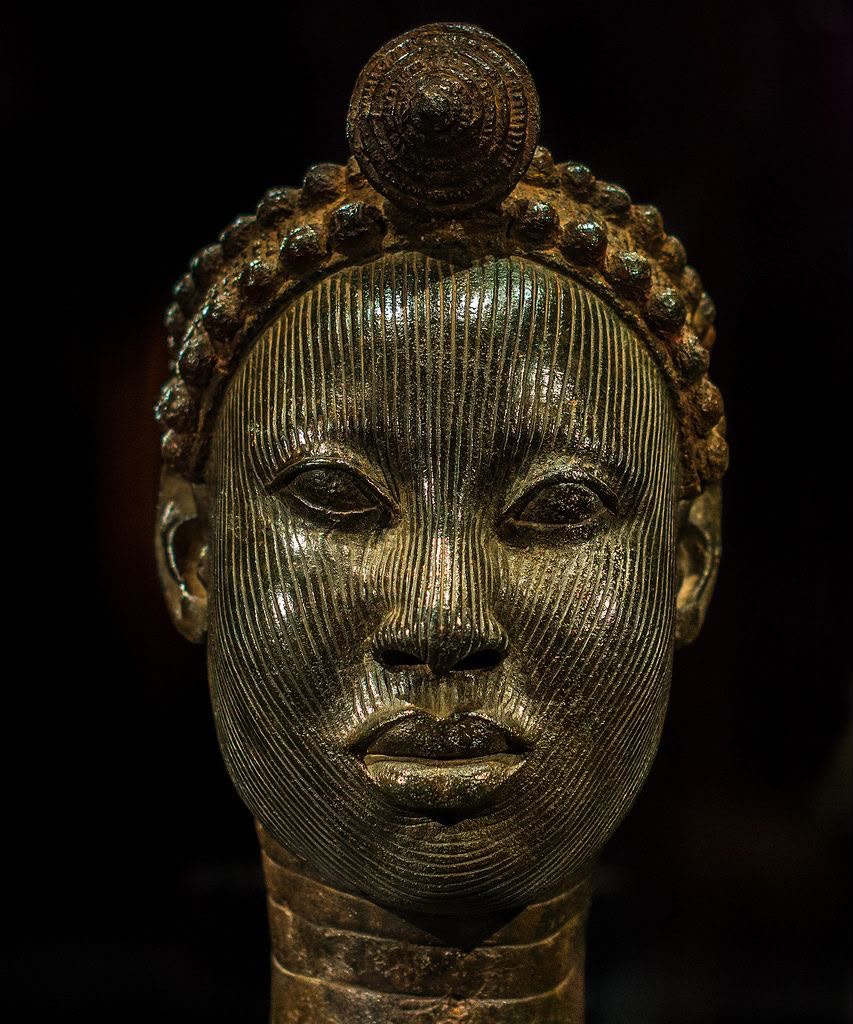
Cultural documentation
Building the living archive
Structured, searchable digital records of Nigeria's oral histories, sacred practices, artistic traditions, endangered languages, craft knowledge, and governance systems. Every record preserved in formats designed to outlast the communities that created them and the institutions that fund us.
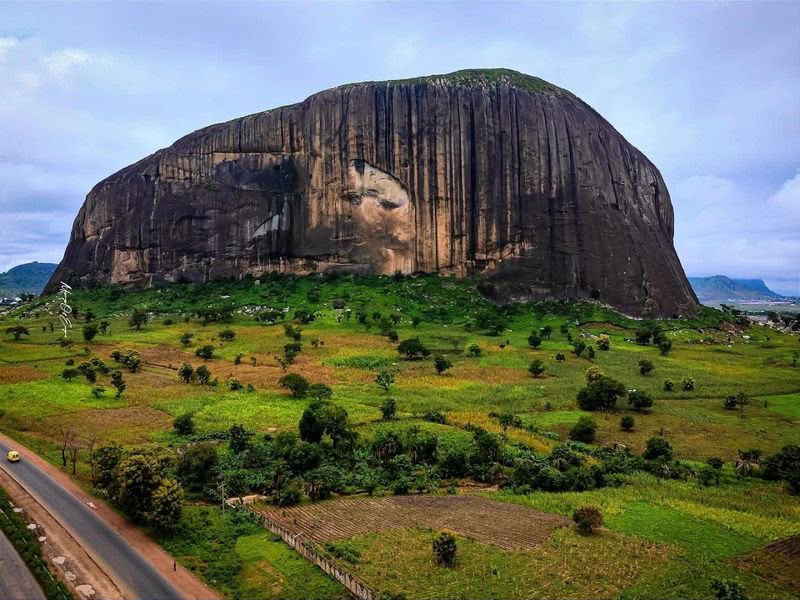
Ecological knowledge
Centuries of environmental wisdom
Nigeria's communities developed deep knowledge of plants and animals, of seasons and soils, of land management and water - relationships built on centuries of observation, care, and accumulated wisdom. We document this as both cultural heritage and a living resource for contemporary environmental policy.
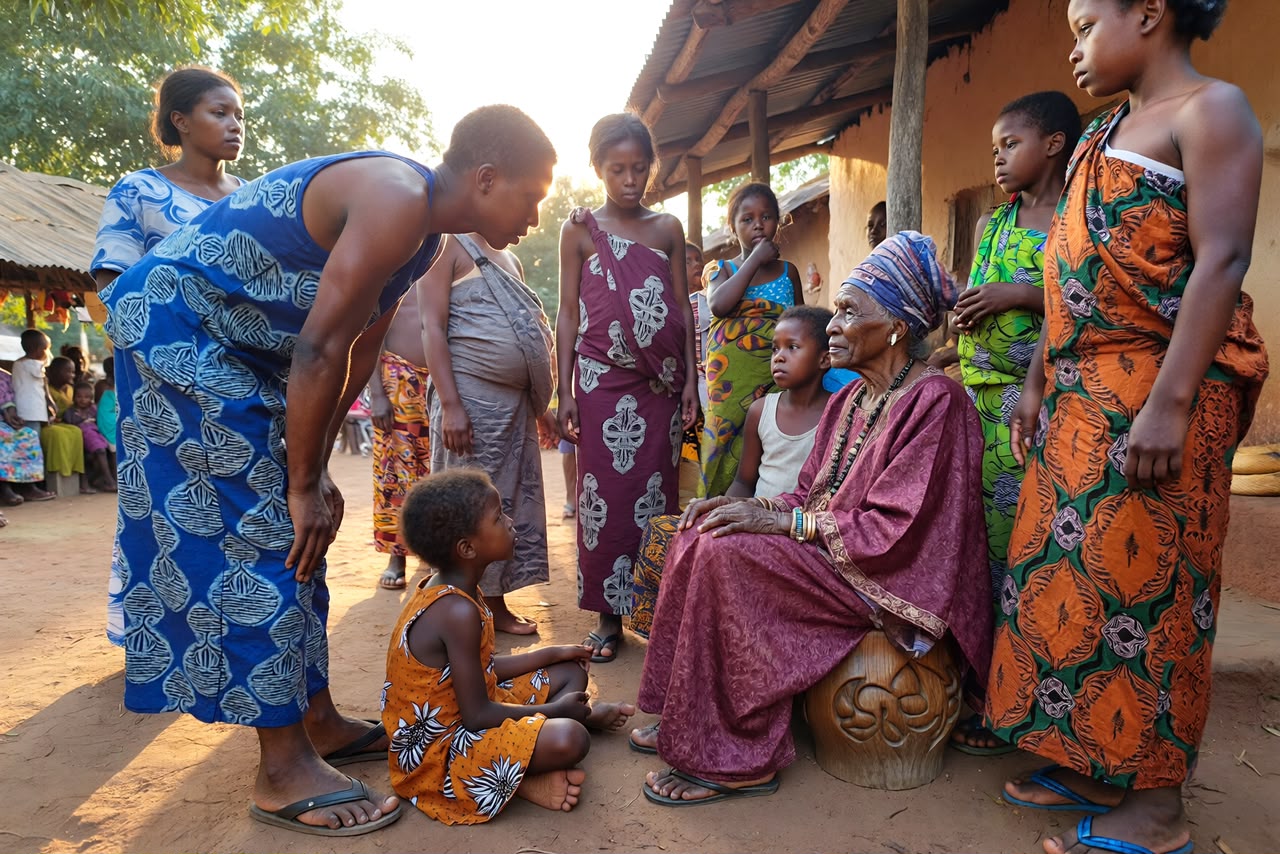
Skills transmission
Knowledge that lives in hands
Documentation is the first step, not the last. A craft that is recorded but not practised is still a dying craft. IHC Foundation builds education programmes that ensure traditional craft knowledge, indigenous technical skills, and ecological practices are actively taught and passed on - not just archived.
Disaster prevention and relief
Resilience is indigenous knowledge
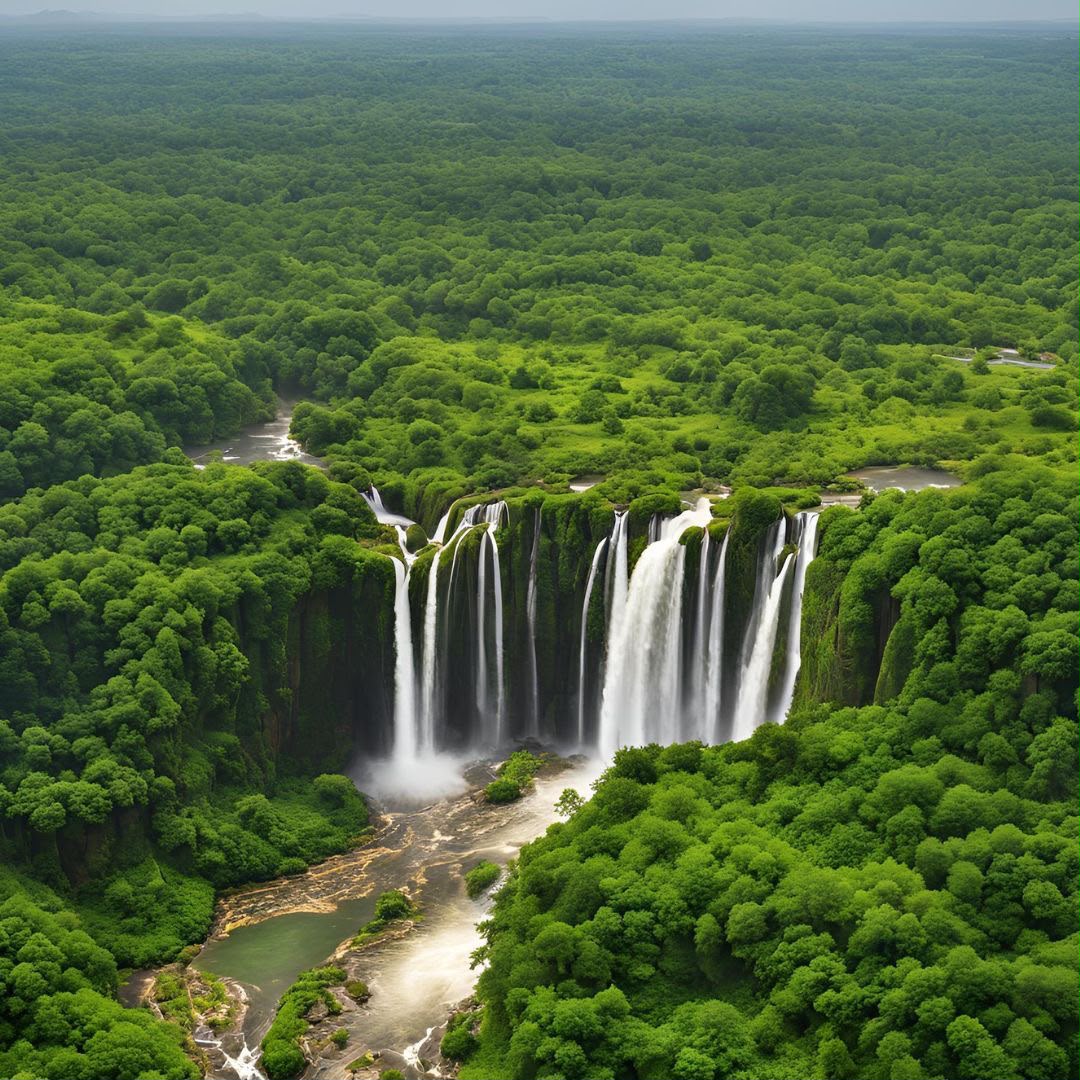
Nigeria's traditional communities have survived floods, droughts, conflict, and famine through sophisticated mutual-aid systems, indigenous early warning practices, and communal risk knowledge built across generations. We study these systems and connect them directly to contemporary resilience policy.
Conservation
Biodiversity and culture rise together
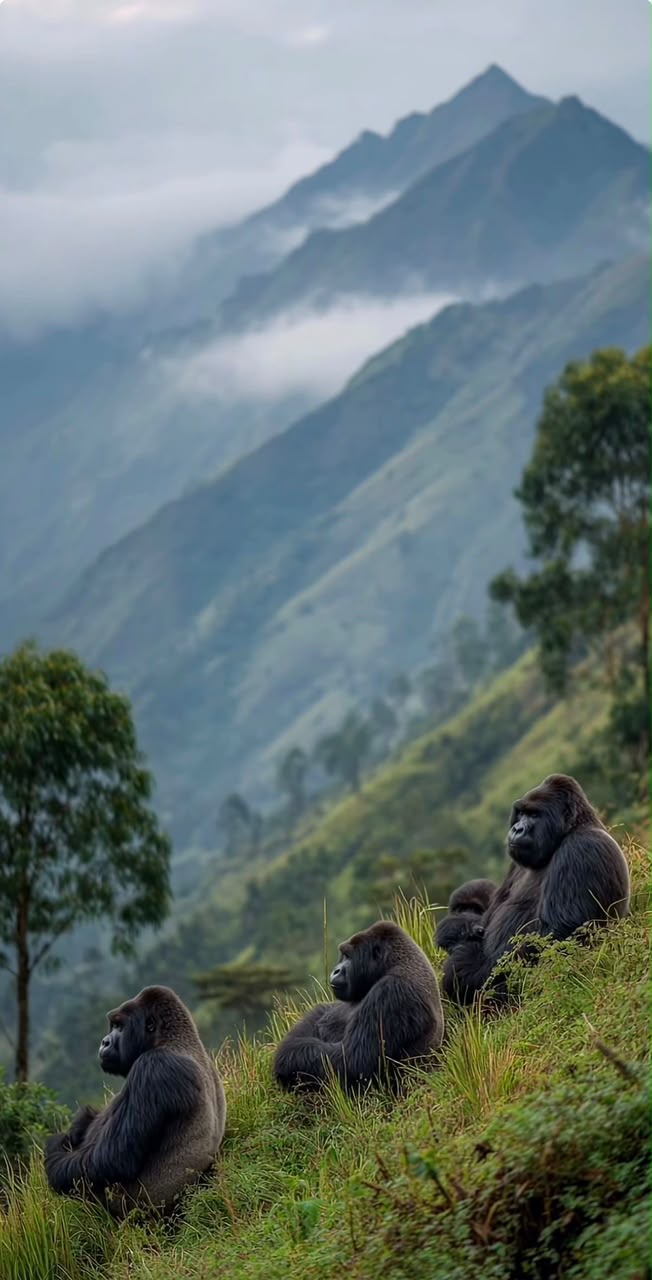
You cannot preserve indigenous ecological wisdom if the landscapes it was built around are disappearing. IHC Foundation partners with communities to protect the natural environments their knowledge is built on - because biodiversity loss is also a cultural loss.